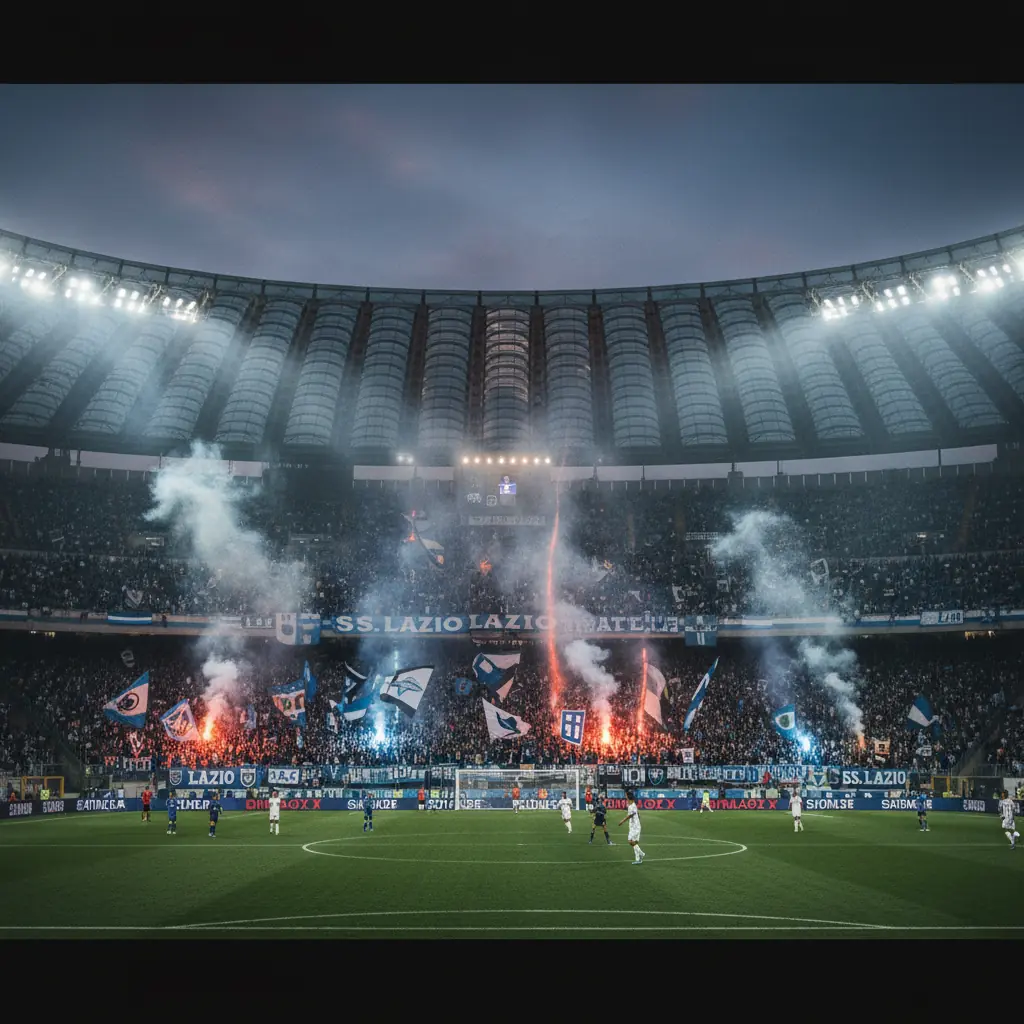
For Lazio, the Stadio Olimpico isn’t just a stadium; it’s the heart of the club. Situated in the eternal city of Rome, this iconic arena is where the Biancocelesti have written countless chapters of their Serie A history. More than just a patch of grass and concrete stands, the Olimpico represents the hopes, dreams, and unwavering passion of the Lazio faithful.
Sharing this monumental ground with their bitter rivals, Roma, has presented both triumphs and unique challenges for Lazio. Yet, despite the shared space, the Stadio Olimpico transforms into a true fortress when Lazio takes the field. On matchdays, the atmosphere crackles with an electric energy, fueled by the roar of the Laziali. The stadium pulsates with a palpable sense of anticipation and unwavering support, creating an intimidating environment for any visiting team. The Stadio Olimpico embodies Lazio’s spirit, a place where legends are forged and victories are celebrated, forever etching its place in the club’s rich heritage.
A House Divided: The Shared History of Stadio Olimpico
The Stadio Olimpico, a monumental structure nestled within the Foro Italico, stands as a testament to Rome’s rich sporting heritage. However, beyond its architectural grandeur lies a unique and often complex dynamic: it serves as the shared home for two fiercely rivaled football clubs, Roma and Lazio. This shared tenancy creates a captivating narrative of coexistence, competition, and the indelible mark the stadium has left on both clubs.
From Stadio dei Cipressi to the Olimpico
Originally known as the Stadio dei Cipressi, construction of the stadium began in the 1930s under the direction of Benito Mussolini as part of his ambitious Foro Italico project. Envisioned as a symbol of Italian strength and sporting prowess, it was later renamed Stadio dei Centomila. A pivotal moment arrived when Rome was selected to host the 1960 Olympics. Substantial renovations transformed the stadium, modernizing its facilities and solidifying its place on the global stage. This transformation led to its current name: Stadio Olimpico. Each era has influenced the stadium design and significance being a silent witness of the Roman history.
Shared Tenancy: The Roma-Lazio Dynamic
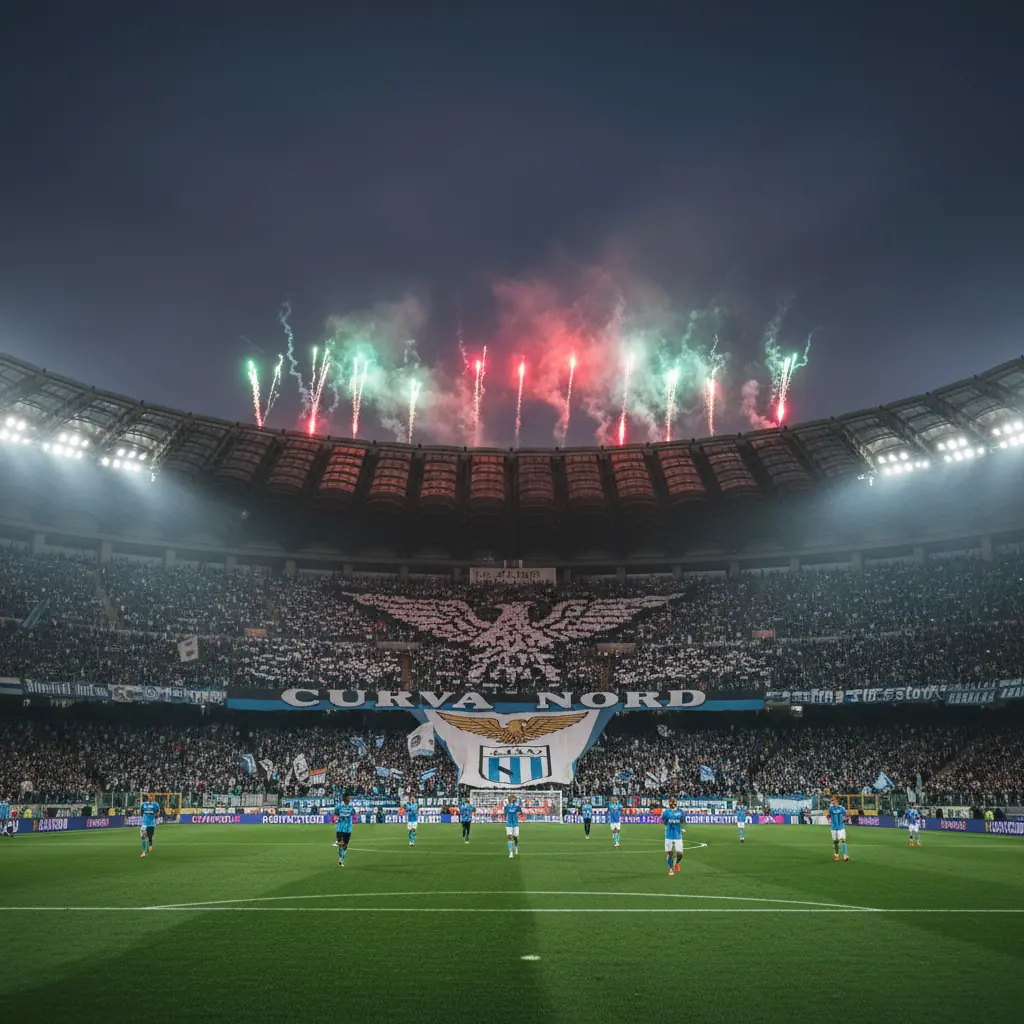
The unusual agreement that sees both Roma and Lazio call the Stadio Olimpico home creates a fascinating, if sometimes tense, atmosphere. The arrangement, born out of historical circumstances, means that on any given weekend, the stadium transforms to reflect the identity of the “home” team. During matches, the stadium is visually, culturally, and emotionally segregated. Roma fans occupy the Curva Sud, while Lazio supporters claim the Curva Nord. The shared tenancy agreement has deeply impacted the social dynamics of the team, creating a captivating narrative of coexistence and competition.
The Biancocelesti’s Roost: Lazio’s Historical Performance at the Olimpico
The Stadio Olimpico, more than just a stadium, is the heart and soul of Lazio. It’s where legends are forged, victories celebrated, and defeats mourned. Looking back, the stadium echoes with the cheers of triumphs, particularly the Serie A titles, a testament to Lazio’s enduring spirit. The Coppa Italia victories here are etched in Biancocelesti history, moments of pure joy for the fans. The Olimpico has seen European nights too, filled with drama. Names like Sven-Göran Eriksson and Simone Inzaghi are synonymous with Lazio’s success at this iconic venue. These managers orchestrated unforgettable moments, leading teams that embodied passion and skill. Each corner of the stadium holds memories of pivotal games where Lazio’s stars shone brightly, leaving an indelible mark on the hearts of supporters.
Glory Years: 1990s and Early 2000s
The 1990s and early 2000s marked a golden age for Lazio. During this time, names like Signori, Nedved and Veron became icons, leading the charge to victory. Lazio’s success in both the Champions League, the Supercoppa, and ultimately, the Scudetto, was driven by tactical brilliance and a squad brimming with talent. The club’s ability to maintain this level of performance was a combination of shrewd management and investment in world-class players, crafting a team that dominated Italian football.
Modern Era: Highs and Lows
The modern era has brought a mix of highs and lows for Lazio. Coppa Italia victories offered moments of respite and showcased the team’s ability to compete at the highest level. However, navigating the challenges of the modern game, including the Europa League, Lazio has faced its share of struggles. These recent years reflect an ongoing journey of rebuilding, adapting to the ever-changing landscape of football, and striving to recapture past glories while facing the reality of modern club struggles.
The Psychology of the Fortress: Why the Olimpico Offers a Home Advantage
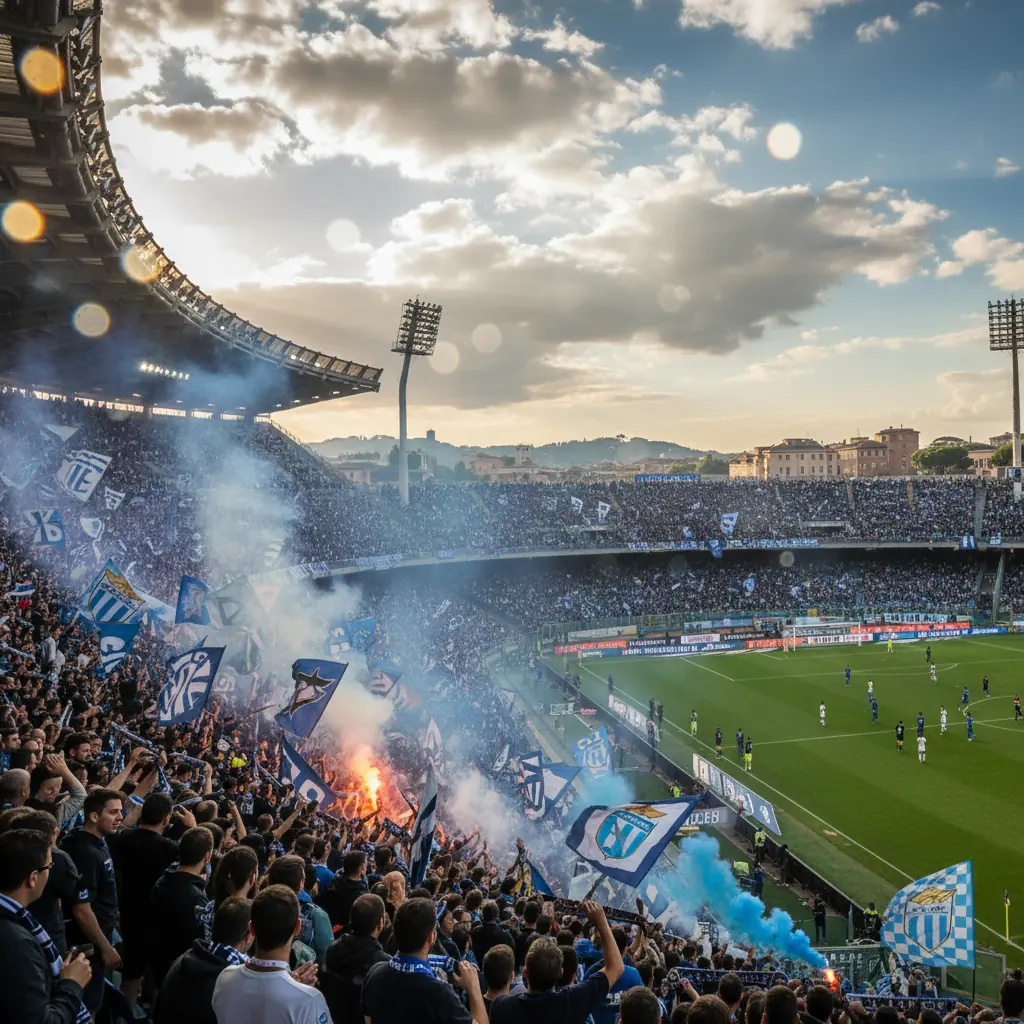
Lazio’s home advantage at the Stadio Olimpico isn’t just about the physical location; it’s deeply rooted in psychological factors that impact both the home team and their opponents. The intense fan support, the team’s inherent familiarity with the surroundings, and the immense pressure felt by visiting teams all coalesce to create a formidable environment. This advantage manifests in increased confidence for Lazio players and a palpable sense of unease for those who dare to challenge them on their own turf. The atmosphere directly influences performance, adding a layer of complexity to every match played within the stadium’s walls.
The Power of the Curva Nord
The Curva Nord is more than just a section of the Stadio Olimpico; it’s the beating heart of Lazio’s fanatic support. This area pulsates with passion, creating an atmosphere that can be both inspiring for the home team and intimidating for visiting squads. The Curva Nord represents decades of unwavering loyalty, a collective identity forged through shared experiences and a deep connection to the club’s history. It’s a visual and auditory spectacle, a constant reminder of the unwavering support fueling Lazio’s players.
Familiar Territory: Impact on the Team and the Visiting Squads
The comfort of playing on familiar territory cannot be overstated. Lazio’s players thrive in the routine of training and competing at the Olimpico. The ground design, the feel of the pitch, and the echoes of past victories contribute to team morale and confidence. In contrast, visiting teams often struggle to adapt to the environment. The unfamiliar surroundings, coupled with the intense atmosphere, can disrupt their game plan and create a psychological disadvantage before the first whistle even blows.
Tactical Territory: How Lazio Maximizes Their Home Field Advantage
Lazio’s home advantage at the Olimpico isn’t just about fan support; it’s deeply ingrained in their tactical setup. The team strategically adapts its formations and playing styles to dominate opponents on their own turf. Recent Lazio managers have been known to adjust tactics, often emphasizing midfield dominance and exploiting attacking width to stretch the opposition. These adaptations are carefully designed to maximize the unique physical attributes of the stadium, turning the Olimpico into a daunting arena for visiting teams. Clever set-piece routines add another layer of pressure, keeping rivals on edge throughout the match.
Pressing and Possession Mastery
Lazio’s tactical approach frequently involves a high-pressing game combined with sustained possession. Formations such as the 3-5-2 or a variation of the 4-3-3 have been instrumental in achieving this. These setups facilitate a strong midfield presence, enabling Lazio to dictate the tempo and control the flow of the game. This emphasis on pressing and possession not only stifles the opponent’s attack but also provides Lazio with ample opportunities to launch their own, effectively leveraging their home-field advantage.
Adapting to the Olimpico’s Dimensions
The Olimpico’s generous ground size plays a crucial role in Lazio’s tactical strategy. By utilizing formations that stretch the field, Lazio maximizes the available space. Attacking tactics often involve quick switches of play and exploiting the wings, forcing opposing defenses to cover more ground. Simultaneously, defensive tactics focus on maintaining a compact shape, denying the opposition space to operate. Managerial acumen in adapting to these dimensions is key to transforming the Olimpico into a fortress.
Derby Impact: The Stadio Olimpico’s Role in the Biggest Game in Rome
Atmosphere Transformation
When Roma and Lazio clash in the Rome Derby, the Stadio Olimpico undergoes a metamorphosis. The air crackles with an almost palpable energy, a unique atmosphere born from the city’s intense rivalry. This isn’t just a game; it’s a visceral experience where the passion of the fans spills from the stands onto the pitch. Fireworks paint the sky in team colors. Elaborate tifo displays transform the Curva Nord (Lazio) and Curva Sud (Roma) into breathtaking mosaics of devotion. The stadium reverberates with chants, songs, and the raw emotion that defines this historic clash. The Rome Derby embodies a tradition unlike others.
Historic Victories
The history of the Rome Derby is etched with moments of glory and heartbreak. Every match contributes to the ongoing narrative of this epic rivalry. Whether it’s Francesco Totti’s iconic selfie beneath the Curva Sud after scoring or Lazio’s dominant wins in the early 2000s, these games echo through eternity. Each goal, each victory, each defeat adds another layer to the rich tapestry of the Derby della Capitale. For the fans, these games are more than just results; they’re the stories they’ll pass down for generations.
Future of the Fortress: Will Lazio Ever Have a Stadium of Their Own?
The dream of Lazio owning its own stadium has lingered for years, a tantalizing prospect that could redefine the club’s future. Currently tenants at the Stadio Olimpico, shared with rivals Roma, Lazio lacks the complete control and financial benefits that come with sole ownership. Building a new stadium is never an easy task and has its own ups and downs, so is that dream closer to becoming a reality, and what would it actually entail?
Benefits of Sole Ownership
Owning a stadium offers a myriad of advantages. Control over revenue streams from ticketing, concessions, and merchandise provides a significant financial boost. A purpose-built stadium allows for the creation of a unique atmosphere, tailored to the club’s culture and identity. The design can incorporate the team’s brand, solidifying their presence, and enhancing the fan experience. Similar to Juventus, who reaped huge benefits after moving to their own ground, the Biancocelesti would greatly add to their brand. Most importantly, having full control over the ground would solidify Lazio stay in Rome.
Potential Drawbacks and Challenges
The road to stadium ownership is paved with challenges. Securing permits, navigating complex Italian construction regulations and logistics can be daunting, leading to delays and cost overruns. Funding a large-scale project requires significant investment, potentially straining the club’s finances for years. Without strong fan support for a new location, moving the club from its current home could prove difficult. Economical and political environments can always hinder building efforts, as the costs can skyrocket and the initial plans change.
Conclusion
The Stadio Olimpico is more than just a stadium for Lazio; it’s a symbol etched into the club’s very DNA. Throughout its history, this arena has borne witness to triumphs, heartbreaks, and the unwavering passion of the Laziali. The echoes of legendary players and pivotal matches reverberate through its stands, creating an atmosphere that fuels the team and unnerves opponents.
The psychological impact of playing at the Olimpico cannot be overstated. It’s a space where Lazio transforms, empowered by the roar of the home crowd. This backing fosters a sense of invincibility, influencing the players’ performance and shaping the tactical approach. Over the years, the stadium has become synonymous with Lazio’s identity, a place where the team asserts its dominance on the pitch.
As Lazio continues its journey, the Stadio Olimpico will forever stand as an integral part of its story–a fortress where battles are fought, legends are made, and the spirit of the club lives on.