Imagine the roar of the crowd, the squeak of sneakers on polished wood, the weight of a championship hanging in the balance. Picture Michael Jordan, sweat dripping, hitting the series-winning shot against the Jazz. These are the moments that etch themselves into the collective memory of basketball fans. While every NBA game matters, a Game 7 in the NBA Finals transcends the ordinary. It’s a crucible where legends are forged, and legacies are either cemented or tarnished forever.
The regular season is a marathon; the NBA Finals is a sprint. But Game 7? That’s a sudden-death, winner-take-all showdown, where every possession is magnified, every mistake amplified. The pressure is immense, unlike anything players experience during the 82-game grind. This isn’t just another game; it’s a career-defining moment.
A victory in Game 7 catapults a player or team into the pantheon of basketball greats, solidifying their place in NBA history. Conversely, a loss can haunt a career, becoming a permanent footnote in their story. This article delves into the electrifying world of NBA Finals Game 7s, exploring the factors that contribute to victory and defeat, examining some of the most memorable contests, and analyzing the lasting legacy these games create. Prepare to explore the ultimate test in basketball.
The Anatomy of Pressure: Why Game 7s Forge Legends (and Break Others)
Game 7. The ultimate crucible. It’s where legacies are cemented, dreams are realized, and for some, nightmares are born. The NBA Finals, condensed into a single, do-or-die contest. But what is it about a Game 7 that elevates ordinary athletes to legendary status and causes others to crumble under the weight of expectations? The answer lies in a complex interplay of psychological and environmental factors that amplify pressure to an almost unbearable degree.
At its core, Game 7 pressure triggers a primal response. The stakes are higher, activating the body’s fight-or-flight mechanism. Adrenaline surges, heart rates skyrocket, and the mind races. This physiological response, while designed to enhance performance in life-or-death situations, can backfire spectacularly in the context of a basketball game. Fine motor skills, crucial for shooting and passing, can be impaired by trembling hands. Cognitive function suffers, leading to poor decision-making and missed opportunities. The weight of history also looms large. Players are acutely aware that every mistake will be magnified. The fear of failure—of letting down teammates, coaches, and an entire city—becomes a heavy burden.
The roar of the crowd, amplified by the knowledge that history is about to be made, becomes a deafening wave crashing down on the players. Media coverage intensifies, turning every possession into a front-page headline. Past failures, both individual and collective, resurface, adding another layer of anxiety. Some players thrive in this environment, embracing the pressure as a challenge to overcome. Others succumb, their performance paralyzed by self-doubt and fear. This pressure can be classified into different categories. There is the pressure to perform for your teammates, the pressure to win for the coach, the pressure to deliver for the fans, and the internal pressure of expectations. All these combine to produce pressure like you have never seen before.
The Science of Clutch: How the Brain Responds to Pressure
But how do some athletes maintain their composure and deliver clutch performances when others falter? It all starts with understanding how the brain responds to pressure. Stress can narrow focus and impair cognitive function, it’s crucial to train the mind to stay present and centered. Developing routines, like specific breathing exercises or visualization techniques, can keep the focus on the present tasks. This allows you to quiet internal doubt.
Beyond mental techniques, a key to managing pressure is to reframe it. Recognize that nerves are a sign that you care, a signal that the moment matters. Instead of trying to eliminate anxiety, focus on channeling that energy into focus and determination. Embrace the challenge, trust in your preparation, and remember why you play the game. Overthinking can be a big problem, so trust your instincts in such moments.

Iconic Game 7 Performances: Deconstructing the ‘Legacy Moment’
The Anatomy of a Clutch Shot: Decision-Making Under Duress
The intensity surrounding a Game 7 in the NBA Finals amplifies every action, turning ordinary plays into potential legacy-defining moments. These are the stages where superstars solidify their place in basketball history, showcasing not only their physical skills but, more importantly, their mental fortitude. Looking at a specific example, LeBron James’ performance in Game 7 of the 2016 NBA Finals against the Golden State Warriors offers a masterclass in clutch performance. The game was neck and neck, the weight of a city’s championship drought heavy on his shoulders.
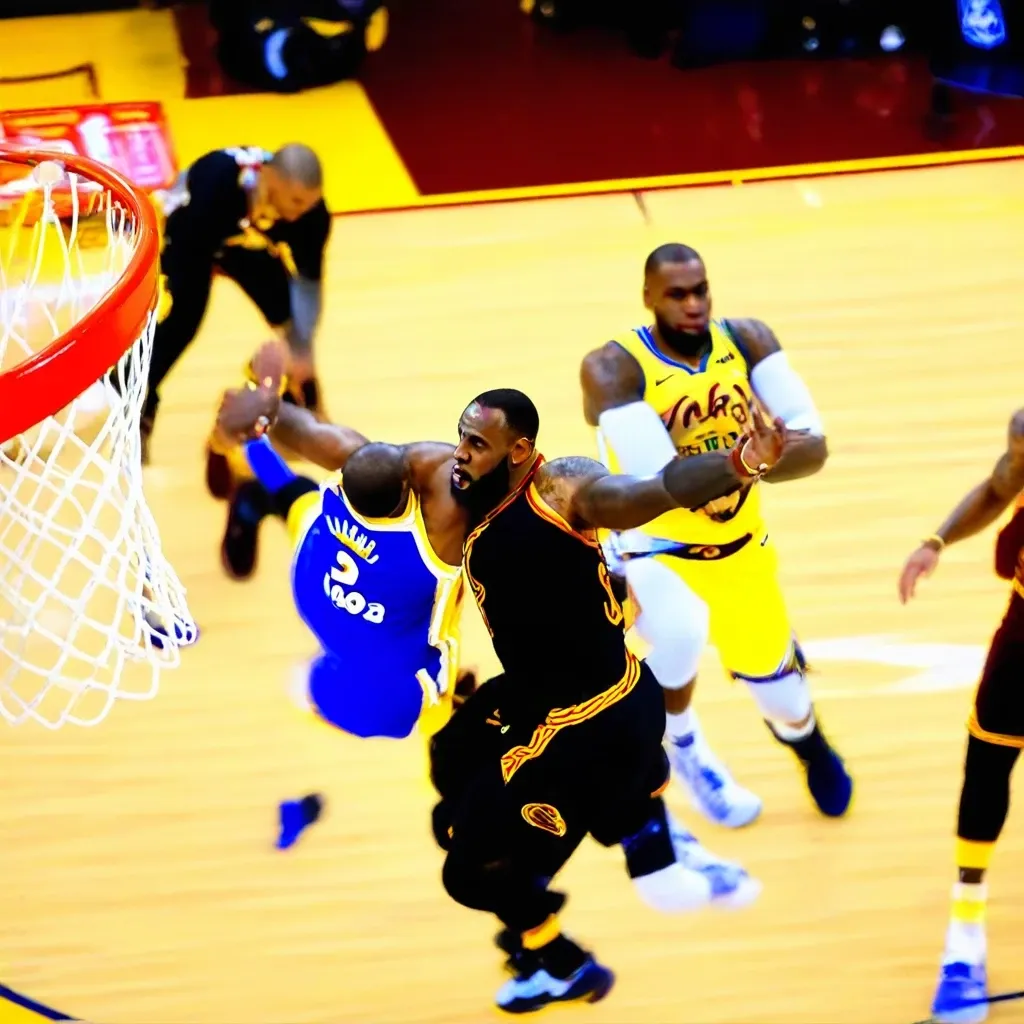
One play, in particular, stands out, with under two minutes remaining the score tied at 89. Andre Iguadola goes for a layup, LeBron James chased down the play and blocked what seemed like a sure basket, preserving the tie. That block wasn’t just athletic; it was born from an understanding of the game, an analysis of the situation, and an iron will to not let his team down. This demonstrates how players assess risks and rewards in high-pressure moments.
Consider the alternative: attempt to steal the ball, risk a foul and giving the Warriors free throws. Instead, James trusted his athleticism and timing, making a play that swung the momentum of the entire game. It highlights how preparation and instincts play a important role in decision-making. Players don’t have time to overthink; they rely on countless hours of practice and film study to guide their actions. Ultimately, these “legacy moments” are a combination of skill, preparation, and the unquantifiable desire to win, forever etching them into NBA history.
Beyond the Stars: Unsung Heroes of Game 7s
The NBA Finals are where legends are made, but often, the spotlight shines so brightly on superstar performances that we miss the crucial contributions of the unsung heroes. Game 7s, in particular, are pressure cookers where the unexpected can happen. These are the moments when role players, often overshadowed throughout the series, step up and define victory. It’s not always about the leading scorer; sometimes, it’s the relentless defender, the clutch rebounder, or the bench player who catches fire at just the right time. These are the players whose dedication to teamwork, mastery of specific skills, and unwavering focus turn the tide.
Game 7 wins aren’t solely built on highlight-reel plays; they are forged in the trenches through hustle, grit, and the willingness to embrace a role. They exemplify the essence of team chemistry, proving that a collection of specialized talents, working in harmony, can overcome even the most formidable opponent. Their stories remind us, that in the high-stakes arena of the NBA Finals, depth and resilience can be the ultimate difference-makers.
The Power of the Supporting Cast: Maximizing Role Player Impact
Great coaching is key in shaping role players. Developing their niche skills and maximizing situational awareness prepares them to thrive when their number is called. Motivation plays a huge role too; a player who understands their value within the team and embraces their role is more likely to stay locked in, especially when the pressure is high. It’s also important for role players to constantly work on their crafts, always looking to improve, working on their weaknesses to turn them into strengths; it provides them with an edge in critical moments.
The Aftermath: How Game 7s Shape Careers
A Game 7 in the NBA Finals transcends a single basketball game; it’s a crucible where legacies are forged and reputations are irrevocably altered. The intense pressure and winner-take-all stakes ensure that every action is magnified, dissected, and remembered. The aftermath of a Game 7 performance, whether triumphant or devastating, can significantly shape a player’s career trajectory and public perception for years to come.
For players who rise to the occasion, a stellar Game 7 performance can catapult them into the pantheon of NBA legends. Such a display becomes a defining moment, a highlight reel staple that burnishes their reputation and strengthens their claim to a place in the Hall of Fame. The increased visibility translates into enhanced marketability, leading to lucrative endorsement deals and more favorable contract negotiations. A championship-clinching performance etches their name into basketball lore, ensuring they are forever celebrated by fans and analysts alike.
Conversely, a poor showing in a Game 7 can have lasting negative consequences. Missed shots, costly turnovers, or defensive lapses are magnified under the intense scrutiny, potentially damaging a player’s reputation and casting doubt on their ability to perform under pressure. While one game doesn’t define an entire career, a high-profile failure on the biggest stage can linger in the minds of fans, impacting public perception and potentially hindering future opportunities. Even contract negotiations can be affected, as teams may hesitate to invest heavily in a player perceived to be unreliable in crucial moments. The weight of a Game 7 loss can be a heavy burden, impacting a player’s confidence and potentially altering the course of their career.
Building Mental Resilience: Techniques for Staying Composed Under Fire
The roar of the crowd, the weight of expectations, the sting of fatigue – these are the elements that forge legends in Game 7s. But legends aren’t born; they’re built. Mental toughness training forms the bedrock of performing under pressure. It’s not about suppressing emotion, but managing it. Stress management techniques become crucial tools, turning anxiety into focused energy.
Visualization is a powerful ally. Repeatedly picturing successful plays, feeling the confidence of execution, etches those scenarios into the mind, making them more accessible when the stakes are highest. Mindfulness, the practice of being present in the moment, helps to quiet the internal noise, allowing players to react instinctively rather than being paralyzed by fear. Cognitive reframing teaches players to challenge negative thoughts, turning perceived threats into manageable challenges. Ultimately, emotional control is the summit of this process – the ability to stay centered, focused, and decisive, no matter the chaos swirling around.
Conclusion
NBA Finals Game 7s are more than just basketball games; they are crucibles where legends are forged, and legacies are cemented. The intensity, the pressure, the sheer magnitude of the moment—all converge to create an unforgettable spectacle. Whether it’s the thrill of victory or the agony of defeat, these games etch themselves into the memories of fans and players alike, defining careers and solidifying places in basketball history.
From dramatic comebacks to clutch performances, each Game 7 offers a unique narrative, showcasing the mental fortitude and physical prowess required to compete at the highest level. These iconic clashes remind everyone that greatness is not just about talent, but also about resilience, determination, and the ability to rise to the occasion when everything is on the line.
Reflect on the battles, the moments of brilliance, and the lessons learned from these epic encounters. The NBA Finals Game 7 is a testament to the enduring power of sport and the human spirit. The legacy continues.