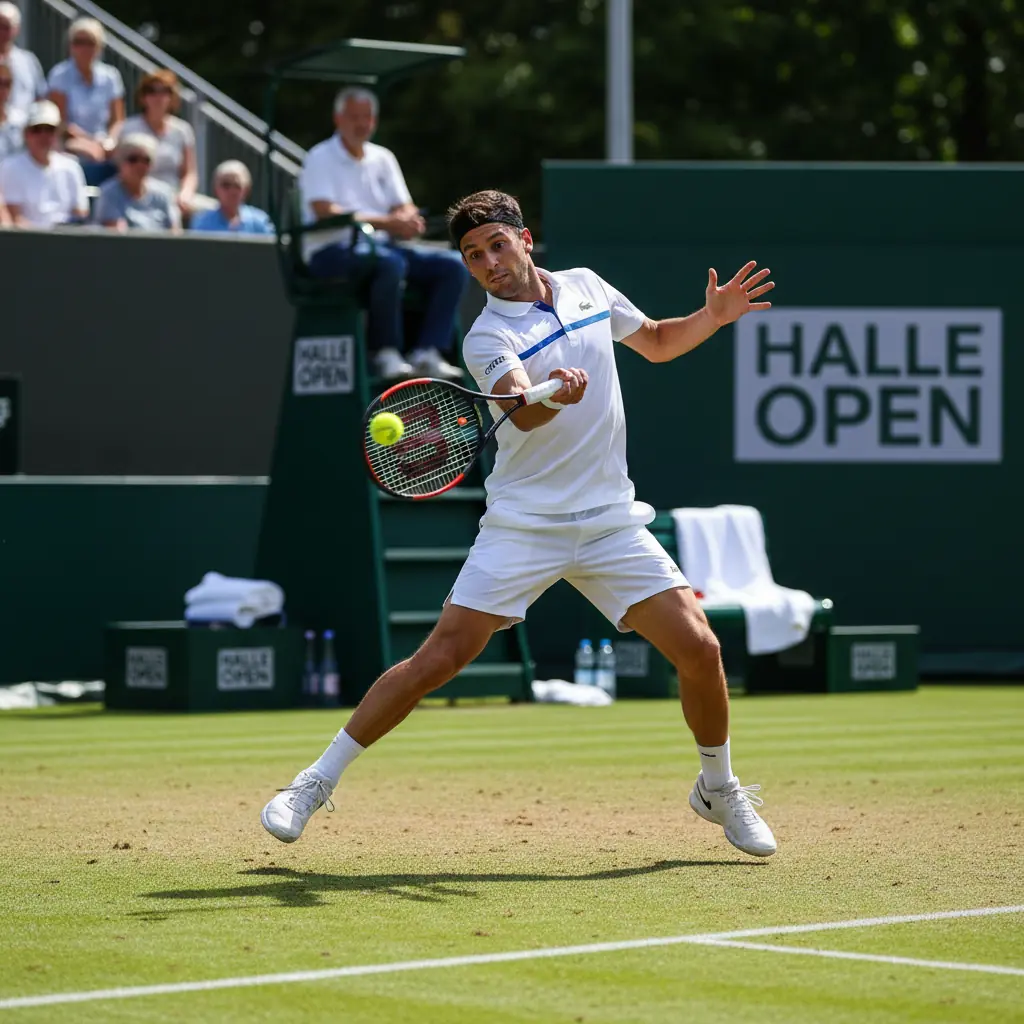
The ATP Halle Open. The very name conjures images of pristine green, the subtlethwack* of a perfectly struck ball, and the hushed anticipation of a crowd ready to witness tennis excellence. Yet, beneath the veneer of elegance lies a surface that demands respect, a surface that humbles even the most seasoned players. Grass court tennis is unlike any other discipline. It’s a unique blend of speed, precision, and adaptability, where a single misstep can mean the difference between victory and defeat.
The Halle Open, officially the Terra Wortmann Open, stands as one of the most prestigious grass-court tournaments in the world, a vital tune-up for Wimbledon. Its history is rich, its champions legendary. Winning here requires more than just talent; it demands meticulous preparation, a deep understanding of the grass, and a willingness to embrace the unconventional.
This guide is your personal roadmap to mastering the challenges of grass-court tennis, specifically tailored for conquering tournaments like the ATP Halle Open. Drawing upon years of experience training players for success on this demanding surface, this article unveils the secrets to effective grass-court preparation. From technical adjustments and tactical nuances to physical conditioning and mental fortitude, this is the guide needed to elevate the game and unlock potential on the green.
Understanding the Unique Demands of Grass Court Tennis
Grass courts stand apart from their clay and hard court counterparts, presenting a unique set of challenges and opportunities for tennis players. The defining grass court characteristics revolve around speed and a notoriously low bounce. These factors dramatically influence player movement, strategy, and overall match dynamics. Compared to the higher, looping bounces seen on clay or the consistent rebounds of hard courts, grass encourages a faster, more aggressive style of play. Rallies tend to be shorter, placing a premium on quick reactions, decisive shot-making, and a dominant serve. It’s a surface where first-strike tennis reigns supreme; dictating play from the very first ball is often the key to victory.
Low Bounce and Fast Speed
The low bounce and rapid ball speed on grass courts demand immediate adjustments to technique. Receiving serve, for instance, becomes a high-pressure situation, often requiring a chipped return just to stay in the point. Backhands, particularly those hit with a high degree of topspin on other surfaces, can become liabilities, as the ball skids through the court rather than rising into a comfortable hitting zone. To be effective, players must flatten out their strokes, prioritize placement over power, and be prepared to volley aggressively at the net.
Court Grip
Adapting to the court grip on grass is crucial. Unlike the forgiving slide of clay, grass offers minimal give. This means your footwork needs to be precise and economical, rewarding confident movements. Players who are used to sliding into shots on clay might find themselves struggling for balance on grass. The subtle nuances of foot placement become amplified – a slight misstep can lead to a compromised shot or even a fall. You need a stance that allow you flexibility and stability, but also agility.
Physical Conditioning for Grass: Agility, Speed, and Power
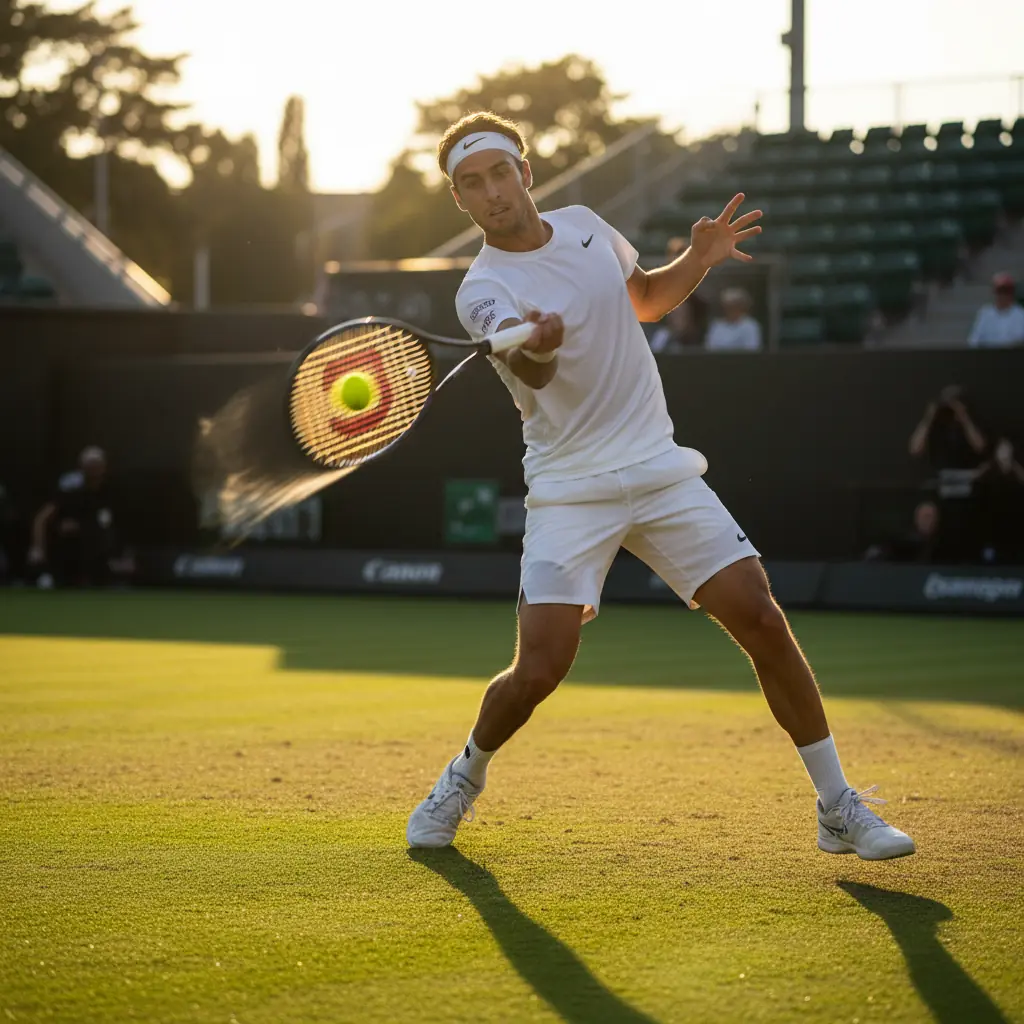
Success on grass courts demands a unique blend of physical attributes. The fast pace and unpredictable bounces necessitate exceptional agility, raw speed, lightning-fast reaction time, and explosive power. Players must cover short distances exceptionally quickly, adapt to sudden changes in direction, and generate immense force in minimal time. Grass court fitness hinges on developing these key areas through targeted training. This isn’t about marathon endurance; it’s about peak performance in bursts.
Agility Training
Court agility is paramount on grass. Drills that emphasize rapid changes in direction and maintaining balance are crucial. Cone drills, shuttle runs, and ladder drills are foundational. Focus on short, sharp movements and maintaining a low center of gravity. To enhance explosiveness, incorporate plyometric exercises like box jumps and single-leg hops. An example routine could include 3 sets of 10 repetitions of each drill, focusing on quick footwork and controlled landings. Remember is not about perfection, it is about progress.
Speed Work
Speed work for grass courts needs to prioritize explosiveness over long-distance endurance. Short sprints (10-20 meters) with maximum effort and adequate recovery are highly effective. Focus on acceleration and achieving top speed quickly. Incorporate resisted sprints using a sled or resistance band to build leg strength and power. A sample workout could involve 6-8 repetitions of 20-meter sprints with full recovery between each. Focus on the first three steps. In this moment of truth every detail counts.
Technical Adjustments: Adapting Your Game for Grass
Grass courts demand a distinct approach compared to other surfaces. Success hinges on mastering specific technical adjustments that exploit the unique characteristics of the surface. The serve and volley, slice shot, and aggressive net play become paramount for dictating points and seizing control. Grass favors aggressive, proactive tennis, where quick thinking and decisive execution are rewarded.
Effective Serve & Volley
The serve and volley is an incredibly effective tactic on grass due to the fast, skidding nature of the surface. A well-placed serve, combined with an immediate charge to the net, puts immense pressure on your opponent. Focus on developing a powerful, accurate serve that sets up an easy volley. Practice splitting steps as you approach the net, maintaining a low center of gravity to quickly react to the return. Explosiveness is key; the quicker you move forward, the less time your opponent has to formulate a response. The goal is to cut off angles and dominate the net, forcing errors or weak returns.
Shot Placement
Shot placement elevates your game. Developing court awareness is imperative. Knowing where to place the ball to maximize discomfort for your opponent is crucial. Practice hitting targets on the court during your training sessions. For instance, during serve and volley drills, aim your serve wide to open up the court for an easy volley into the open space. Precision is the name of the game. Consistent practice in shot placement transforms good players into great grass-court players.
Mental Fortitude: Staying Focused and Confident
The grass court isn’t just a test of physical prowess; it’s a crucible for the mind. The speed of the game, the often-unpredictable bounces, and the weight of tradition demand a tennis mental game that’s as sharp as your serve. Developing grass court mental toughness is about cultivating focus and concentration, and learning to manage the inevitable pressure cooker moments. It’s about building unshakable resilience.
One powerful method is anchoring oneself in the present. Mindfulness isn’t some abstract concept. It’s the ability to quiet the internal chatter and truly see the ball, feel the grip, and react instinctively. This allows to stay focused. Positive self-talk becomes a shield against doubt, while visualization paints a vivid picture of success, programming the mind for victory.
Managing Pressure
Pressure is a privilege, but it can also be paralyzing. The key to navigating it lies in focusing on what you can control: your preparation, your effort, and your attitude. Don’t dwell on the score, the opponent’s reputation, or the importance of the match. Breathing exercices can help to manage the mental state, bring you to the present and minimize the outside pressure.
Visualization Techniques
Visualization is more than dreaming; it’s a mental rehearsal. Before stepping onto the court, close your eyes and vividly imagine yourself executing perfect serves, hitting cross-court winners, and moving with effortless grace. Feel the sun on your skin, hear the roar of the crowd, and experience the satisfaction of success. See the ball landing exactly where you want it. This pre-match routine can dramatically boost your confidence and calm your nerves.
Pre-Tournament Preparation Strategies for Halle
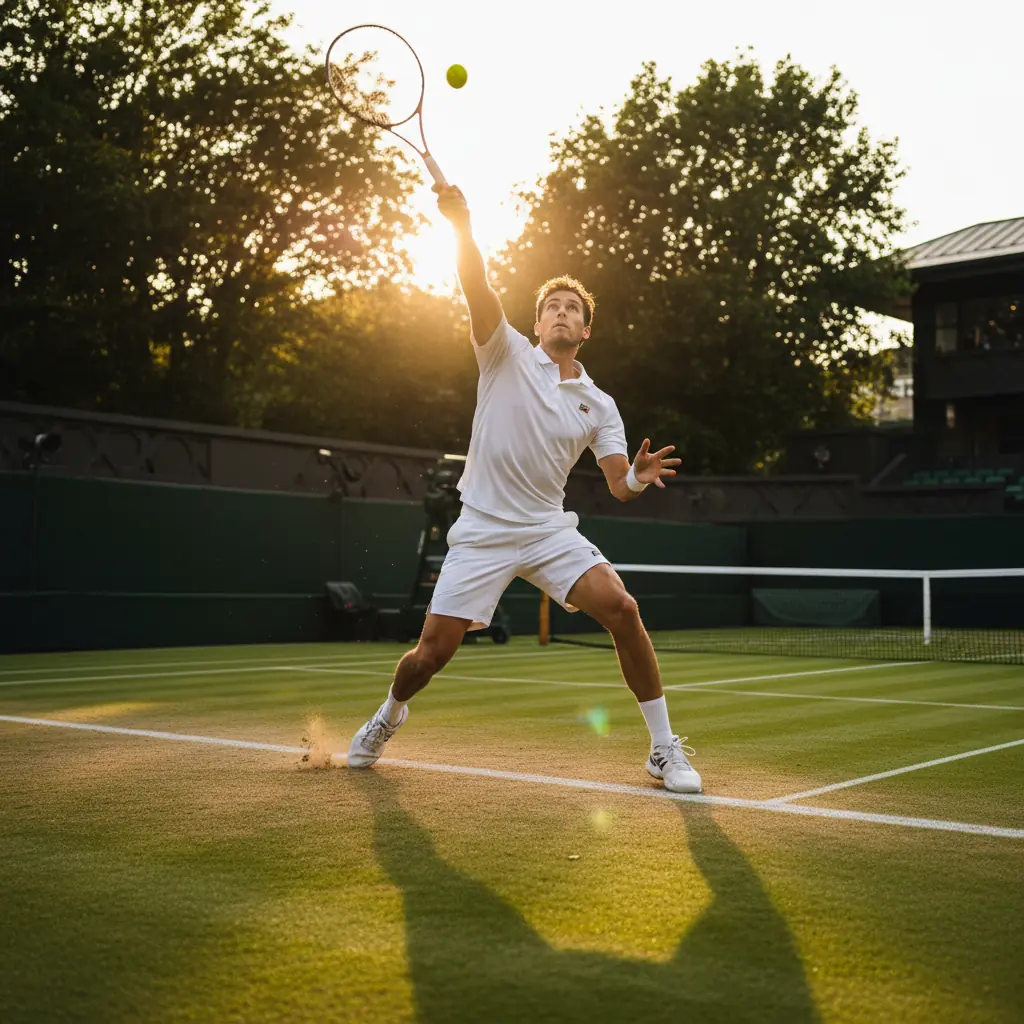
Excelling at the Halle Open demands meticulous pre-tournament preparation. Players aiming for success must prioritize acclimatization, focusing on the unique challenges presented by the tournament’s grass courts. Arriving early allows ample time to adapt to the court’s specific characteristics, including its speed and bounce. Players could begin their practices at the club where Halle Open takes place, the OWL Arena. This can give very good kickstart to the tournament, because location is known.
Strategic practice court selection is paramount. Mimicking match-like conditions during practice sessions is crucial for honing grass-court skills. Players should experiment with different court positions and shot selections to optimize their game for the tournament environment. Securing practice time on courts similar to the match courts can be a game-changer.
Effective scheduling balances intense training with adequate rest and recovery. Players should structure their days to include focused practice sessions, physical conditioning, and recovery periods. Nutrition plays a vital role in energy management. A well-balanced diet, rich in carbohydrates, protein, and healthy fats, provides the fuel needed for peak performance. Prioritizing sleep is equally essential. Aiming for 7-9 hours of quality sleep each night allows the body to repair and recover, ensuring players are fresh and ready to compete.
Also mental preparation is something that is very important. Visualization and mental rehearsals are very effective methods that can help. By visualizing success and all tough moments and how to overcome them, players can build confidence and mental resilience, giving them the ability to cope with all tough situations. Utilizing trainers and equipment is very important. Knowing what to use, how to use and being used to it is crucial going on field.
Conclusion
In summary, mastering the ATP Halle Open demands a laser focus on specialized grass court preparation. Transitioning your game effectively means embracing the low bounce, slick surfaces, and faster pace unique to grass. Incorporate shorter, quicker steps, refine your slice serve for aggressive offense, and dedicate practice time to mastering volleys and net play. Remember that mental fortitude and adaptability is as crucial as physical prowess.
The tips and strategies discussed are designed to be easily integrated into your existing tennis training. Don’t hesitate to experiment and finetune these techniques to match your personal play style. The grass season is short, but with dedicated preparation and a willingness to adapt, you can unlock your potential for success. Embrace the challenge, hone your skills with grass-court specific drills, and step onto the court with confidence, knowing you’ve done the work to conquer the Halle Open.